Le origini della canzone 'Go Tell Aunt Rhody' di Resident Evil 7
Inviato: martedì 21 febbraio 2017, 21:14
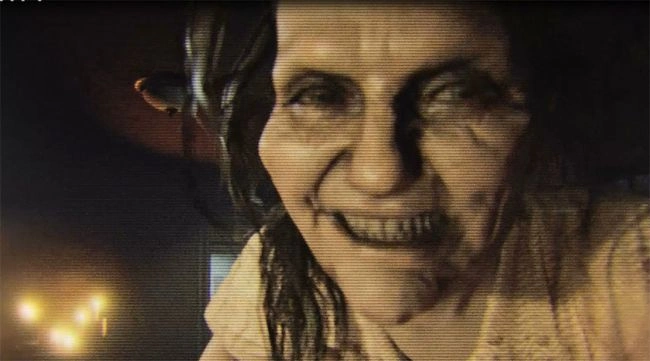
Una conversazione con il compositore Michael A. Levine.
Quelli di PC Gamer hanno parlato con il compositore di musica Michael A. Levine per discutere le origini della melodia sinistra che diventò subito la musichetta principale dell'ultimo horror sopravvivenza di casa Capcom.
(NB—sembra che Reddit si sia cimentato in anticipo sull'argomento. Questo thread in particolare offre alcune teorie interessanti, anche se Levine rimane a denti stretti.)PC Gamer: Resident Evil 7: Biohazard was announced at E3 in 2016. When did you first begin working on the 'Go Tell Aunt Rhody'?
Michael Levine: I’ve forgotten when they first contacted me, but once we agreed on a direction I did most of the work in Spring of 2016.
What was Capcom’s initial directions for the song, and did those change as the creative process began?
They liked the work I had done (with Lucas Cantor) on Lorde’s version of Everybody Wants to Rule the World which was featured in both the Hunger Games Catching Fire soundtrack and the Assassin’s Creed Unity trailer. They wanted a similar rethinking of a familiar song, turning it from joyous to menacing. But they didn’t want to use a pop song, so that meant finding a traditional song that would be known in more than just one country.
I was born in Tokyo and so, almost by accident, knew that the American traditional song Go Tell Aunt Rhody had the same melody as the Japanese 'Musunde Hiraite'. Plus Rhody had the key word "dead" in its lyric. I changed "the old grey goose is dead" to "everybody’s dead" and we were off and running!
Go Tell Aunt Rhody is featured on the trailer and has pretty much become the theme for the whole game. Did you have any idea when you first started working on it, that it was going to be featured this much?
No, but I am delighted Capcom had such confidence in it.
This song has a very interesting history and origin that not many people know about. Can you tell us a little bit about that?
We know the chorus melody was used in a French opera in the mid 18th century, although it probably predates that. It traveled from France to the UK, to the US, and, eventually, to Japan in the 19th century when American schoolteachers were brought to Japan to help establish the public school system.
Most Japanese people think Musunde Hiraite is Japanese in origin. I added the RE7-specific verse.
I read that the song’s vocalist, Jordan Reyne, is located in the UK and you are located in LA. Where did you all record the song and how did that process work?
We recorded everything but the lead vocal in my studio in LA. Jordan—who is another fabulous New Zealander like Lorde (I have good luck with those kiwis)—recorded in the UK and we communicated via the internet during the session. Our clients also attended via the web.
This was ok for me—10 am in LA, and Jordan, 6pm in London; but I am impressed by the stamina of our clients at 2am in Tokyo!
What surprised you the most with Go Tell Aunt Rhody after it was all done?
How well it worked with so little traditional musical framework. Our first pass was much more of a straight-ahead song, but the clients kept asking for it to get weirder and darker to the point where it’s almost an art-house sound-design piece.
Usually, I do something 'out there' and the client has to reel me back in. This was one of the rare cases where they kept saying, "Go even further!" I love to work for people like that!
Is it easier to come into a project that has a huge fan-base, such as Resident Evil, or one that has a clean slate?
I think my relative ignorance was a blessing. Had I truly understood how massive the following of this game was I might have been intimidated.
If there is anything else you would like readers to know about your process creating this song, then please do share.
I am rather fond of puzzles and what I like to call cryptomusic—where there are things embedded that may not be obvious on first listen. I am not saying that is the case in this song.
But I’m also not denying it.